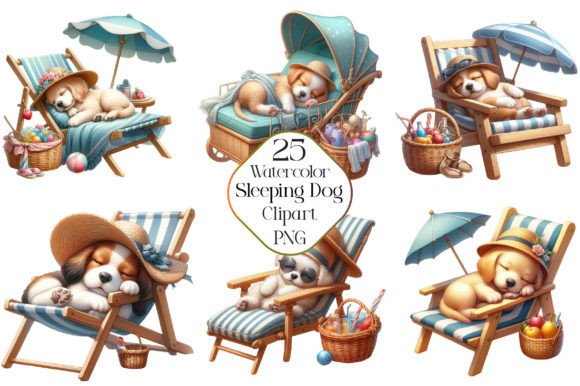
Watercolor Sleeping Beach Dog Clipart for Relaxed Branding
There is something quietly compelling about a dog sleeping peacefully on a beach. The combination of soft watercolor washes, a relaxed subject, and coastal imagery creates an emotional shorthand that resonates across many kinds of creative work. If you have been browsing design assets for a project that needs warmth, calm, or a touch of whimsy, watercolor sleeping beach dog clipart offers a surprisingly versatile solution. It is not just cute — it carries a specific visual personality that can shape how an audience feels about your brand, your content, or your product.
What Makes This Clipart Style Distinct
At first glance, watercolor sleeping beach dog clipart reads as gentle and approachable. The watercolor medium brings soft edges, subtle color bleeds, and a handcrafted quality that is hard to replicate with vector solid shapes. Unlike flat, digital-only illustrations, watercolor assets retain an organic texture — the slight grain, the uneven pigment distribution, the way colors pool and fade. These characteristics make the clipart feel less like a sterile design element and more like a piece of original art.
The sleeping pose is key here. A dog at rest is inherently non-threatening, which opens up possibilities for brands or projects that want to communicate safety, comfort, or leisure. When you pair that pose with beach imagery — maybe a towel, a shell, or soft sand tones — the clipart starts telling a story about rest, vacations, and slow living. The typical color palette leans toward warm neutrals, sandy beiges, ocean blues, and sun-softened pastels. This is not high-contrast or aggressive design. It is subdued, intentional, and emotionally accessible.
From a style perspective, these clipart pieces often sit somewhere between realism and impressionism. You get enough detail to recognize the dog breed and the setting, but the watercolor treatment allows for artistic interpretation. That ambiguity can be a strength. It makes the clipart feel universal rather than overly specific, which matters when you need an asset to work across different contexts without clashing with other design elements.
Where Watercolor Sleeping Beach Dog Clipart Adds Real Value
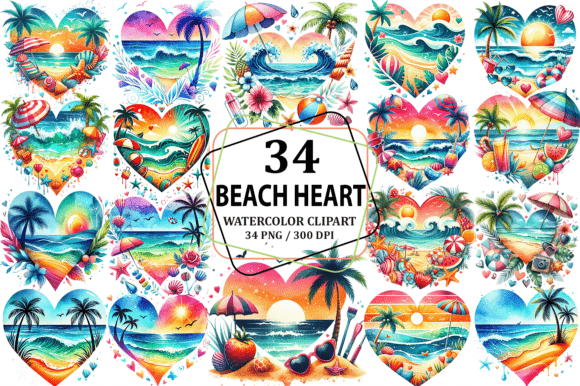
If you are a small business owner building a brand around relaxation, pet care, coastal living, or wellness, this clipart can become a visual anchor. Imagine a logo for a beachfront dog-friendly café. A sleeping dog painted in soft watercolors communicates the vibe instantly — come as you are, stay a while, no rush. The same asset could appear on packaging, menus, tote bags, or social media headers without feeling repetitive. Because the watercolor style has texture and depth, it holds up well in both print and digital formats.
Bloggers and content creators covering travel, pet lifestyle, or slow living will find this clipart useful for featured images, dividers, or Pinterest graphics. It adds a human touch that stock photography sometimes lacks. You can place the clipart behind text, use it as a background accent, or combine it with other watercolor elements to build a cohesive visual system. For publishers working on editorial design for magazines, newsletters, or e-books, these assets work beautifully in sidebars, chapter openers, or quote callouts. The calm subject matter helps maintain a relaxed reading pace.
On the commercial side, crafters and hobbyists can use watercolor sleeping beach dog clipart for greeting cards, wall art prints, stickers, planners, and fabric transfers. The handcrafted aesthetic appeals to buyers looking for something that feels personal rather than mass-produced. Even for web design, where crisp vectors usually dominate, a well-placed watercolor element can break up visual monotony and draw the eye to a specific call to action or brand message. The key is using it intentionally — as a focal point, not as filler.
How Clipart Choices Affect Brand Perception and Readability
Design assets like watercolor sleeping beach dog clipart do more than decorate. They influence how quickly a viewer understands your message and how they feel about it. The soft, rounded shapes and muted colors create a visual hierarchy that feels natural rather than forced. When you place this clipart near a headline or a product image, the contrast in texture helps guide the eye. A clean sans serif font paired with watercolor art creates a modern but warm look. A handwritten or script font layered over the clipart can feel intimate and personal, especially on social media graphics or packaging.
Consistency is another factor. If you use this clipart style across multiple touchpoints — website, email headers, product labels, Instagram posts — you build a recognizable brand identity that does not rely on logos alone. The watercolor treatment becomes part of your visual signature. Over time, your audience associates that soft, beach-inspired look with your brand values: calm, authenticity, care. That kind of recognition is hard to achieve with generic stock imagery. It takes intentional selection of design assets that align with your voice.
Professionalism comes from thoughtful execution, not from avoiding playful imagery. A sleeping dog in watercolor can look just as polished as a geometric abstract logo when it is well-composed, properly scaled, and used with restraint. The risk is only in overusing it or pairing it with clashing styles. If the rest of your brand uses bold, high-saturation colors and rigid layouts, the soft watercolor clipart may feel out of place. But when the surrounding design supports it — minimal layouts, ample whitespace, natural textures — the clipart elevates the entire composition.
Practical Guidance for Choosing and Using This Clipart
Before you add watercolor sleeping beach dog clipart to your design library, take a moment to evaluate your project fit. Consider the emotional tone you need. If your brand or content is about adventure, high energy, or urgency, this clipart may work against you. But if you are selling comfort, relaxation, companionship, or coastal lifestyle, it aligns naturally. Ask yourself whether the watercolor texture complements your existing design assets or fights with them. If your current brand uses flat vectors and sharp lines, you may need to introduce transitional textures — like paper backgrounds or soft shadows — to make the watercolor clipart feel cohesive.
Testing pairings matters. Place the clipart next to your preferred typeface and see how the interaction works. For headers, a clean serif or sans serif with moderate weight often balances the softness of watercolor without competing. For smaller text or captions, a light handwritten font can echo the handmade feel. Avoid using too many decorative fonts at once. Let the clipart carry the personality while the typography provides readability. If you are building a social media template, try placing the clipart in a circular or oval frame, or let it bleed off one edge for a more dynamic layout.
Commercial licensing is another consideration. If you are using watercolor sleeping beach dog clipart for products you intend to sell — printed goods, digital downloads, merchandise — confirm that the license covers commercial use. Some clipart sets come with extended licenses, while others are restricted to personal projects. Read the terms carefully. When in doubt, reach out to the creator. This is especially important for entrepreneurs and small business owners who cannot afford legal ambiguity around their brand assets.
Finally, think about how the clipart will scale. Watercolor elements can lose definition when reduced too small, especially fine details like fur texture or facial features. Test the asset at the sizes you plan to use — a business card, a website banner, a product label — and make sure it remains recognizable. If you need a version that works across multiple sizes, consider having both a detailed and a simplified variant. Many clipart sets include multiple files for exactly this reason.
Watercolor sleeping beach dog clipart is not just a pretty add-on. It is a design asset with a distinct voice. Used well, it brings warmth, authenticity, and a quiet sense of place to any project. Whether you are building a brand, writing a blog, or creating products for a niche audience, this style offers a way to connect with people who value comfort, nature, and the slower moments in life. That kind of emotional connection is what turns casual viewers into loyal audiences.