Watercolor Circles Clipart for Creative Projects
When you need design assets that feel both polished and handcrafted, Watercolor Circles Clipart delivers a unique blend of artistry and practicality. These aren’t standard geometric shapes; they carry subtle brush strokes, soft color bleeds, and organic edges that digital tools often lack. Whether you’re a seasoned designer or a small business owner handling your own marketing, these clipart elements bring warmth and personality to any layout. Their transparent nature and gradient effects mimic real paint, making them versatile for overlays, backgrounds, or focal points. In modern typography, such textures create contrast against clean sans serif fonts or complement the flow of script fonts, adding depth that feels tangible.
What Makes Watercolor Circles Clipart a Versatile Tool
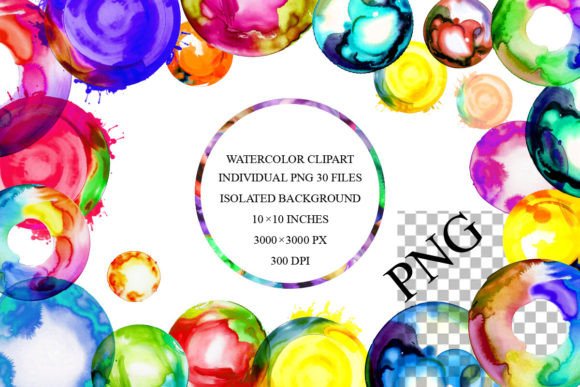
The appeal of Watercolor Circles Clipart lies in its texture and fluidity. Unlike solid vector circles, watercolor versions have transparency and gradient effects that mimic real paint. This makes them ideal for overlaying on photographs, backgrounds, or text. Their organic nature means they don’t feel stiff, adding a layer of depth that feels almost tangible. In modern typography and layout design, such textures create contrast against clean sans serif fonts or complement the flow of script fonts. They serve as accent pieces, frames, or even primary visual elements in compositions. For example, a cluster of circles can mimic bubbles, petals, or abstract patterns, depending on your brand story. When used with a premium font like a serif font for contrast, the circles enhance the overall vibe without overwhelming content.
Where Watercolor Circles Clipart Shines in Your Projects
The applications are broad. In brand identity, they can soften a corporate look without sacrificing professionalism. For logo design, a watercolor circle can frame a monogram or icon, giving it a bespoke feel. In packaging design, especially for artisanal products like candles or skincare, these circles evoke natural ingredients and craftsmanship. Web design benefits from their use as hero section backgrounds or call-to-action highlights, guiding the eye naturally. For social media graphics, they add a consistent visual motif that boosts recognition. Publishers use them in editorial design to break up text or highlight quotes, while crafters incorporate them into invitations, printables, and scrapbooks. Think about a blog post header: placing a large watercolor circle behind the title creates a focal point that draws readers in. For a product catalog, small circles can frame price tags or features, maintaining visual hierarchy without resorting to boring bullets. In packaging design, a cluster of circles can mimic bubbles, petals, or abstract patterns, depending on your brand story.
How Watercolor Circles Clipart Influences Perception and Engagement
Visual elements like these affect how audiences perceive your brand. The handmade quality of watercolor suggests authenticity and care, which resonates with consumers tired of stock imagery. When used consistently, they contribute to brand consistency and recognition. For example, a wellness coach might use soft blue-green circles across her website and social media, creating a cohesive brand identity that feels calming and trustworthy. The organic shapes also improve readability when used as backgrounds or containers for text, as they provide contrast without harsh lines. This can lead to higher audience engagement because the design feels inviting and easy to digest. In terms of professionalism, watercolor circles can elevate a design when used purposefully. Overusing them might clutter a layout, but strategic placement—like behind a key headline or as a frame for a testimonial—adds visual hierarchy that guides the viewer naturally. For marketers, this means more effective communication without extra effort. Pairing them with a display font for impact can further enhance recognition, especially in digital ads.
Evaluate Project Fit and Style Considerations
Before diving into a set, consider your project’s tone. Watercolor Circles Clipart works best in contexts that benefit from an artistic or friendly touch. For a legal firm, they might feel too casual, but for a children’s book or lifestyle brand, they’re perfect. Look at the color palette: do the circles match your existing brand colors? Many sets offer multiple hues, but ensure they align with your brand identity. Also check the style – some are full circles, others are half-moons or splatters. Pick what serves your layout needs. For instance, a handmade product line might benefit from circles with heavy texture, while a digital course could use lighter, more translucent options.
Testing Pairings with Typography
When combining with text, consider font pairing. Watercolor circles often pair well with sans serif fonts for a modern contrast, or with script fonts for a whimsical feel. For example, a delicate script font over a pale watercolor circle creates an elegant invite, while a bold sans serif on a vibrant circle pops for a poster. Test combinations in your design software to see how the transparency interacts with the font. Readability is key: ensure the text stands out against the circle’s opacity. You might need to adjust the circle’s transparency or add a subtle shadow to the text. As a creative font, watercolor clipart works well with handwritten fonts for a cohesive look, but it can also complement serif fonts for contrast.
Reviewing Included Styles and Licensing
When purchasing or downloading design assets, review what’s included. Some sets offer variations in size, color, and opacity, which save editing time. For commercial use, check the commercial licensing. Many clipart packs allow use in products for sale, but some may require attribution or restrict resale. As a small business owner or designer, it’s crucial to respect licenses to avoid legal issues. Look for premium font bundles that include clipart, but remember that watercolor circles are typically raster images, so they may need resolution adjustments for print versus web. Ensure the set includes high-resolution files for large-scale prints, and PNG files with transparency for easy layering.
Practical Recommendations for Implementation
Start by layering circles behind key elements like headings or logos. Use them sparingly to maintain impact. Experiment with scale: oversized circles can become full backgrounds, while tiny ones work as decorative accents. For social media graphics, resize circles to fit platform dimensions. In web design, use CSS to adjust opacity if needed, but native PNGs with transparency are often easier. Always keep a cohesive color scheme – three to four colors from your palette is enough to avoid chaos. For editorial design, use circles to separate sections or highlight pull quotes. For packaging design, consider how circles interact with product photos. Realistic example: A small bakery used Watercolor Circles Clipart in different pastel shades on their website, menu, and packaging. The circles framed product images and highlighted special offers, creating a cohesive and appetizing brand identity. Customers responded positively to the handmade feel, increasing engagement on social media posts featuring the design.
Final Thoughts on Incorporating Watercolor Circles into Your Work
Watercolor Circles Clipart is more than just a decorative element; it’s a strategic tool for enhancing brand identity and audience engagement. By choosing sets that match your project’s style, pairing them thoughtfully with typography, and using them to guide visual hierarchy, you can achieve a professional yet approachable look. Whether you’re designing for print or digital, these design assets offer flexibility and charm that resonate with modern audiences. Explore different sets, test them in real projects, and see how a simple circle can transform your design narrative. They work well as commercial fonts in bundles, but remember to prioritize your brand’s voice over trends. With careful use, watercolor circles become a signature element that boosts recognition and builds trust with your audience.