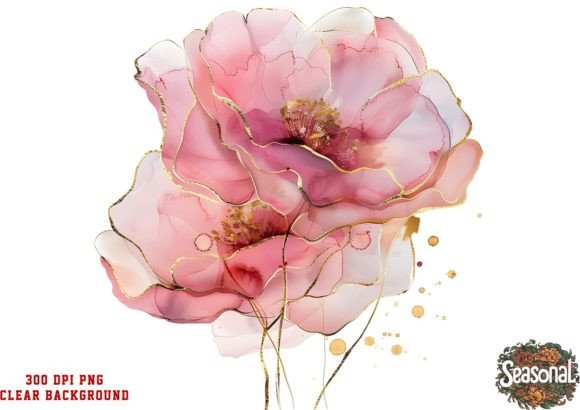
Spring Peonies Watercolor Clipart
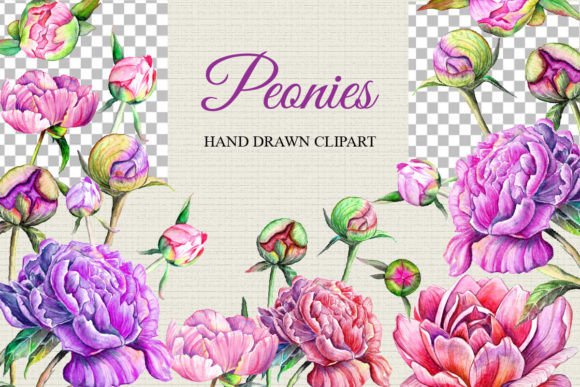
If you’ve been searching for design assets that bring a natural, romantic feel to your projects, Spring Peonies Watercolor Clipart might be exactly what you need. This watercolor clipart set captures the delicate beauty of peonies in soft spring hues, with painted textures that add depth and warmth. Unlike standard vector icons or flat illustrations, these pieces have a handcrafted quality that feels personal and organic. Whether you’re working on branding, editorial layouts, or handmade crafts, the gentle pigment blends and subtle brush marks offer a distinct visual personality that stands out in both digital and print media.
The Visual Character of Spring Peonies Watercolor Clipart
Spring Peonies Watercolor Clipart is defined by its soft, painterly aesthetic. Each bloom is rendered with irregular edges, slight color gradients, and transparent layering—characteristics that mimic real watercolor on paper. The palette typically leans toward blush pinks, cream whites, soft greens, and lavender tones, all of which evoke freshness and renewal. This is not a rigid, sharp graphic set; instead, it carries a certain looseness and spontaneity. The leaves and petals often have visible brushstroke variations, meaning no two elements appear identical. That unpredictability is part of the charm, making each design feel bespoke.
The style leans toward the romantic and whimsical, but without being overly ornate. It strikes a balance between refined elegance and casual warmth. For designers and entrepreneurs who want to inject a sense of handcrafted authenticity into their work, this clipart acts as a versatile foundation. It works especially well when paired with clean, simple layouts, allowing the watercolor details to become the focal point without competing with other elements.
Where Spring Peonies Watercolor Clipart Works Best
Because of its organic nature, this clipart set shines in projects where a personal touch matters. Wedding invitations and save-the-dates are a natural fit—the peonies communicate romance and celebration, while the watercolor style adds intimacy. For small business owners in the beauty or wellness space, think product labels for bath salts, candles, or skin care lines. The soft colors and floral imagery align with natural, clean branding. Bloggers and content creators can use the elements for social media graphics, especially for posts about spring, gardening, self-care, or lifestyle topics. The clipart also adapts well to packaging design, from gift wrap to card sets, where the tactile feel of watercolor implies quality and care.
In digital publishing, Spring Peonies Watercolor Clipart works nicely for ebook covers, blog headers, and email newsletters. Because the files are typically high-resolution PNGs with transparent backgrounds, you can layer them over photographs or solid color blocks without awkward white edges. For print projects, the watercolor textures hold up well on matte paper or textured cardstock, reinforcing the handmade impression. Marketers might use these elements for seasonal promotions, landing page backgrounds, or promotional flyers that need to feel approachable rather than corporate.
How Spring Peonies Watercolor Clipart Influences Brand Perception
In design, every visual choice sends a subtle message to the audience. Using watercolor clipart like Spring Peonies Watercolor Clipart signals warmth, artistry, and attention to detail. It moves away from the sterile, overly polished look that can sometimes make brands feel distant. For entrepreneurs building a brand identity from scratch, incorporating these floral elements can help define a personality that is inviting and relatable. The soft, imperfect quality of watercolor suggests that the brand values craftsmanship and authenticity over mass production.
Readability and visual hierarchy also benefit when the clipart is used deliberately. Because the peonies have varying opacity and soft edges, they work best as background accents or supporting visuals rather than primary text carriers. When placed behind a headline in a serif or sans serif font, the contrast between the fluid organic shapes and clean typography creates a clear focal point. This combination helps guide the eye naturally from the imagery to the message. In social media graphics, the clipart can frame text or act as a subtle texture behind quotes, making the post feel cohesive without overwhelming the viewer.
Consistency across a project ties everything together. Using a single watercolor clipart set ensures that all floral elements share the same brush quality, color palette, and level of detail. This prevents the disjointed feel that sometimes happens when mixing assets from different sources. For brand recognition, repetition of the same peony motif across business cards, website headers, and product tags builds a visual language that audiences begin to associate with your specific style. Over time, that consistent imagery becomes part of the brand memory, reinforcing professionalism and trust.
Practical Guidance for Choosing Spring Peonies Watercolor Clipart
When evaluating whether Spring Peonies Watercolor Clipart fits your project, start by considering the overall mood you want to create. Ask yourself: Does the natural, romantic style align with the tone of my brand or event? If you’re designing for a tech startup or industrial brand, the soft florals might clash. But for wedding planners, florists, lifestyle influencers, or artisan product lines, the clipart feels right at home. Next, look at the range of elements included. A good set offers not only full blooms but also leaves, branches, buds, and perhaps standalone petals. This variety gives you flexibility in composition—you can cluster elements for a full arrangement or use single stems for minimalist layouts.
Testing the clipart within your actual design software is crucial before committing. Place a few elements over different background colors—white, cream, pale gray, or muted pastels—to see how the transparency handles. Some watercolor clipart sets have slight color casts or grain that become more visible on certain surfaces. Pay attention to resolution as well. For print, you’ll need at least 300 DPI to avoid pixelation. Most premium clipart sets provide high-resolution files, but always check the product descriptions. For web use, you can scale down, but starting with a large file gives you room to adjust without losing quality.
Consider font pairings as part of your overall design. Watercolor clipart often pairs well with simple serif or sans serif fonts that don’t compete for attention. A script font can also work, but choose one with clean, legible lettering—avoid overly elaborate scripts that might become lost against the soft textures. The goal is to let the peonies breathe while maintaining readability. Test combinations in context: a headline over a watercolor bloom might need a heavier weight or slight text shadow to pop.
Licensing and Commercial Use Considerations
Before using Spring Peonies Watercolor Clipart in any paid project, review the license agreement carefully. Many watercolor clipart sets from independent designers come with standard commercial use permissions, but there are often limitations. For example, you might be allowed to use the elements in product packaging or social media ads but not to resell the clipart itself as standalone art. If you’re an entrepreneur creating physical products like greeting cards or mugs, ensure the license covers reproduction for sale. Some licenses require credit to the designer or restrict the number of copies you can produce. Always read the fine print to avoid legal issues down the line. For large-scale production or corporate branding projects, you may need an extended license that covers unlimited use or redistribution.
In practice, most small business owners and content creators find that standard commercial licenses work well for limited runs and typical marketing materials. But if you anticipate high-volume sales or plan to incorporate the clipart into a logo that becomes central to your brand identity, investing in an extended license is prudent. The clipart itself is a design asset, not a final product, so treat it as a building block. Combining it with other design skills—like typography, layout, and color theory—elevates the final piece far beyond the individual elements.
Realistic Examples and Design Observations
Imagine you’re designing a spring collection launch for a small candle company. Using Spring Peonies Watercolor Clipart as a background texture on product tags, with a minimal serif font for the scent names, creates a cohesive look. The watercolor adds a sensory quality that hints at the floral fragrances without being literal. Or consider a wellness blogger creating a series of Pinterest pins. Placing a single peony bloom behind a motivational quote in a simple sans serif font immediately draws attention and adds a calming aura. In both cases, the clipart does the work of setting the tone, allowing the text to communicate clearly.
Another observation: the clipart’s strength lies in its ability to work across different design formats. Use it as a hero image on a website banner, a subtle watermark in a PDF portfolio, or a repeated pattern on a fabric print. The watercolor texture ensures it never looks flat or artificial. For crafters, these elements are excellent for decoupage, scrapbooking, or handmade card projects. The key is to embrace the organic edges and slight irregularities—they add character. Trying to make the clipart look perfectly crisp or symmetrical would defeat its purpose. Let it be the relaxed, natural element in your layout, and balance it with structured typography or geometric shapes.
When building a brand identity around floral watercolor elements, consider the long-term use. A set like Spring Peonies Watercolor Clipart can serve as a seasonal accent rather than a year-round primary asset. Many brands rotate imagery for different holidays or product lines, so having a reliable watercolor set on hand streamlines seasonal design. For content creators, batch creating graphics with the clipart saves time while maintaining a consistent aesthetic across posts. The more you work with the same design assets, the more you develop a signature style that feels uniquely yours.
In summary, Spring Peonies Watercolor Clipart offers a practical, visually appealing solution for anyone needing a touch of natural elegance. Its watercolor character, flexible usage, and ability to influence perception make it a valuable addition to your design toolbox. When used thoughtfully—with careful attention to context, licensing, and typography—it helps projects feel polished yet personal, professional yet approachable. Whether you’re a seasoned designer or a small business owner building your brand from scratch, this clipart set provides the creative freedom to produce work that resonates with audiences on a genuine level.